Finding Your Activity - getting back or getting started
Article by Leigh Wilcox
Most people are aware that being physically active is an important part of maintaining good health. However, defining being physically active “enough” can feel challenging, especially if you are newly active, recovering from an illness or injury, or living with chronic pain.

General activity guidelines that many people are familiar with, such as “10,000 steps per day” or “150 minutes a week”(1,2) can seem overwhelming and discouraging at times. Especially for people getting started in new activities. However, there is a lot of evidence that the benefits from physical activity start at lower levels of participation and intensity than previously thought. This is especially so for people who are either new to physical activity or are managing a chronic condition, such as osteoarthritis, diabetes, or high blood pressure.

Specific benefits of physical activity:
- Improved blood flow
- Decreased inflammation
- Improved blood sugar control
- Protection from cancer(s)
- Protection from dementia(3)
People living with injury or chronic disease are less likely to be physically active compared to “healthy” individuals of the same age. Researchers have taken advantage of body-worn movement sensors to help rehabilitation professional guide special populations – like people with diabetes, chronic obstructive pulmonary disease, or osteoarthritis – to activity levels appropriate for their circumstances(4).
Evidence shows that in people with lower extremity (hip, knee or ankle) pain – including osteoarthritis – that getting 45 minutes of activity over the course of the week was enough to gain some health benefits compared to being inactive(5). While there are additional benefits to adding up more minutes or doing activity in 10 minutes “bouts” (10 minutes in a row) the most important thing is choosing an activity that is enjoyable and engaging. Before any health effects can be gained, we must first engage with movement in a way that connects us to the fundamental needs that movement is meant to fill – to feel, to explore, to transform, and to connect(6).
Getting started:
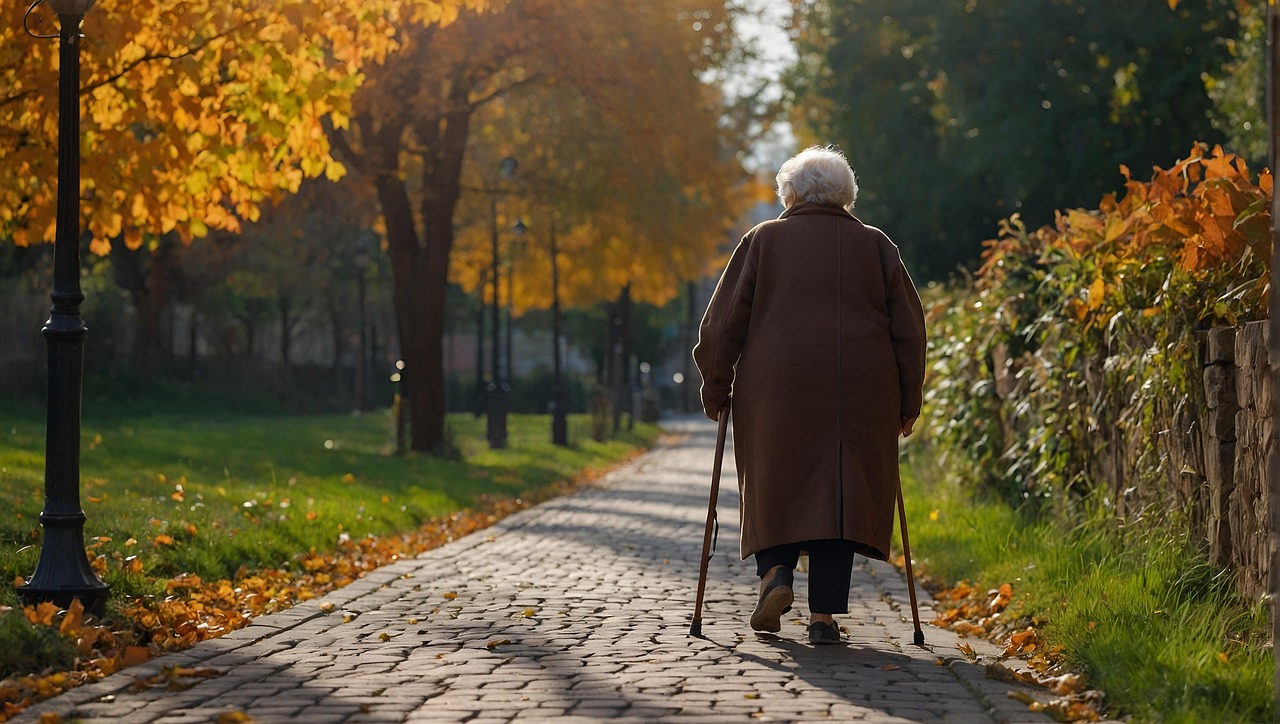
Pick something you enjoy
Maybe it seems obvious, but you’re more likely to do something you actually want to do. Try not to put too many barriers in between you and your activity. Activities that require a lot of equipment, or can only be done if you have lots of extra time, are less likely to be successful starting out.
Start small
Above everything, respect where you are starting from. Recovery cannot be rushed. Taking the time to build up slowly will save you time in the long run by preventing further injury and allow yourself time to adapt.
Stay consistent
Small gains add up over time.
Ask for help
Help can look a lot of ways – it can be someone to join you, it can be receiving encouragement, it can be seeking health advice.
References:
1. Adults 18-64 – 24-Hour Movement Guidelines [Internet]. [cited 2025 Sep 20]. Available from: https://csepguidelines.ca/guidelines/adults-18-64/
2. Adults 65+ – 24-Hour Movement Guidelines [Internet]. [cited 2025 Sep 20]. Available from: https://csepguidelines.ca/guidelines/adults-65/
3. Fiuza-Luces C, Garatachea N, Lucia A, Fiuza-Luces C, Garatachea N, Berger NA, et al. Exercise is the Real Polypill. Physiology. 2013;28(5):330–58.
4. Tudor-Locke C, Washington TL, Hart TL. Expected values for steps/day in special populations. Prev Med. 2009;49(1):3–11.
5. Dunlop DD, Song J, Lee J, Gilbert AL, Semanik PA, Ehrlich‐Jones L, et al. Physical Activity Minimum Threshold Predicting Improved Function in Adults With Lower‐Extremity Symptoms. Arthritis Care Res 2010. 2017;69(4):475–83.
6. Matias TS, Piggin J. The Unifying Theory of Physical Activity. Quest. 2022 Apr 3;74(2):180–204.
You May Also Like...
-
 ArticleView Post
Neck Pain: Causes & Treatment
Have you ever woken up with a stiff or aching neck, unable to turn your head, thinking ‘where did that come from?’
-
 ArticleView Post
Is Foam Rolling Worth It?
Do you start or finish your workout routine with a bit of foam rolling? Read here: this article may change your mind.
-
 ArticleView Post
Breaking the Silence: Talking About Pelvic Organ Prolapse
POP is a condition that’s often not spoken about that can be very disconcerting or even embarrassing for women who are suffering.